

HomeOur HolidaysBook a HolidayFREE DVD & BrochureTackle & TacticsVideo ZoneVideo NewsPress CentreBlog


Article Writing Guidelines
We are always delighted to receive slightly more detailed articles on trips to our venues. We always publish these on our Website… and from time to time they also get used in the carp fishing magazines – so you might see your work on a wider stage!

This document is intended to give you some general guidelines on what we are looking for. It’s not intended to be prescriptive in any way – the last thing we want is for every article to look & read the same. But experience has taught us the types of questions anglers are looking to find answers for and also the best way for you to send the article to us so we can get it on-line as quickly (& effortlessly as possible)

General format

  • In general try to send us the material by Email (david@anglinglines.com)
  • The text as a spell-checked Microsoft Word document
  • Photos and diagrams should be attached separately
  • For use on the Web we need the photos to be reduced in size to 600 x 450 pixels. At this size they are small enough to be sent by Email but still sufficient quality for the Web. This will be much smaller than they come straight off your digital camera… so you’ll need to use some basic photo editing software to do this. This is about as basic an operation that you can do with photo editing software, so even the most basic package will do it. You may have had a free one come with your camera – if not you’ll probably get a free one off the Internet. If you need help give us a call.
  • Please send the original Hi-Res versions of the photos (just as they came off the camera) separately to us on a disc (CD) by post. This gives us the option to use them in our brochure or for magazine articles
  • Assuming you’re happy (but absolutely no pressure if you’re not) include your Email address with your name at the bottom of the article. This way other anglers can see it’s from a “real” person. Occasionally some of the keener ones may Email you… but by and large they won’t. But seeing that they can will give the article added credibility.
  • Please do not “inbed” the photos in the text of the Word document. Instead tell us where each photo should be placed by naming it as Pic1, Pic2 etc and referring to it in the text as;

    * Pic1 here
    * Pic2 here
    * Pic3 here

What should be included?
What you caught is obviously of primary importance but customers are also interested in how you caught them and your general impression of the venue. So try to include;


Fishing

  • The methods you used & the rigs you employed (photos of the rigs, bait etc are always well received). Inclusion of technical “how I did it” information is definitely critical to our chances of getting it published in the press. They no longer publish articles which just cover “I went there & caught this”. Readers want tips on how to do it … so close-ups photos of rigs, bait & tackle are a must to illustrate a technical section
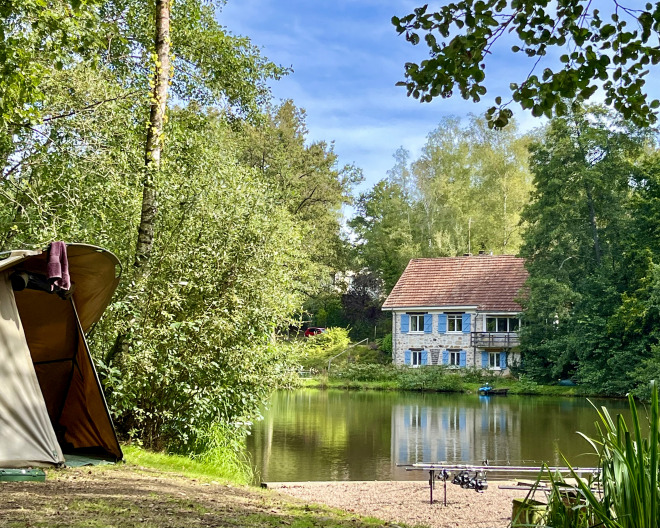
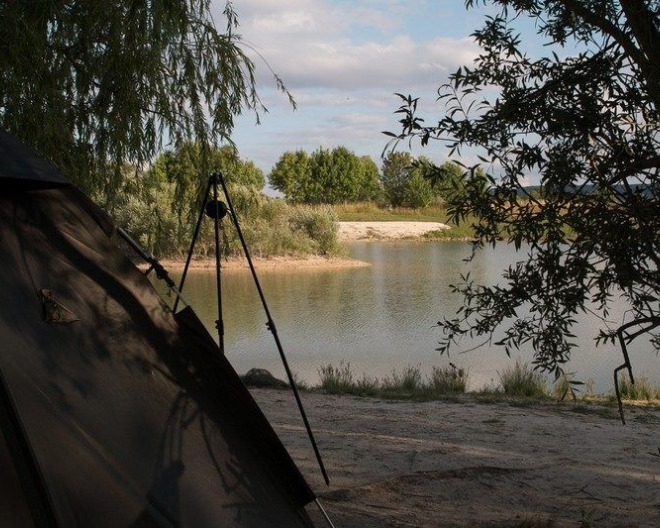
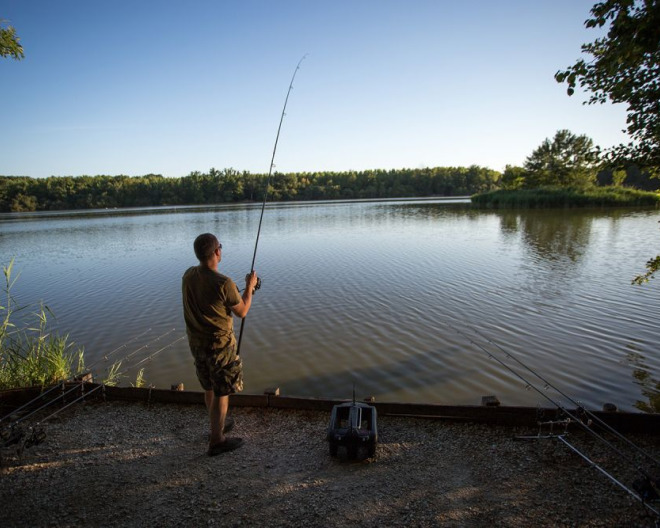
  • The swims you fished. Photos of the swim layout showing your rods and bivvy are always nice – they give people a real feeling of being there.
  • Any problems you had to overcome
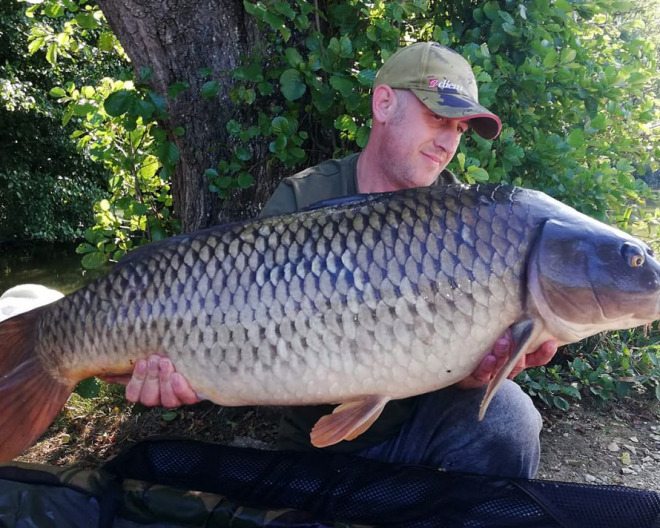
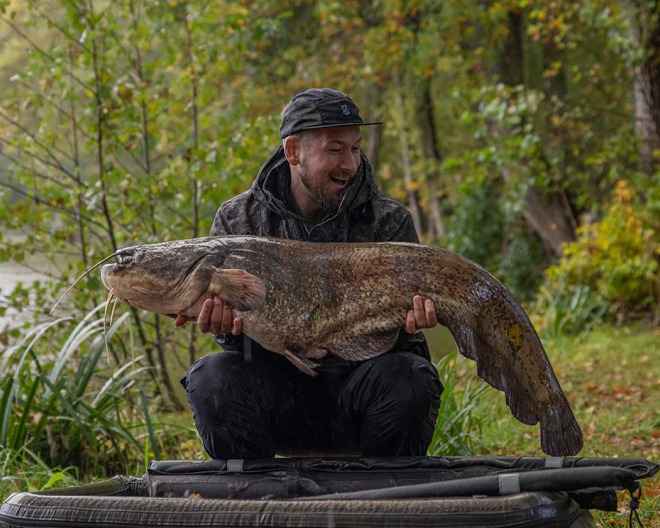
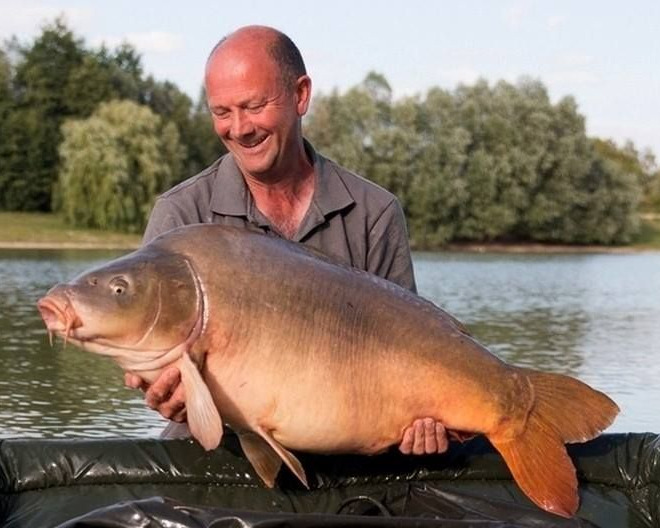
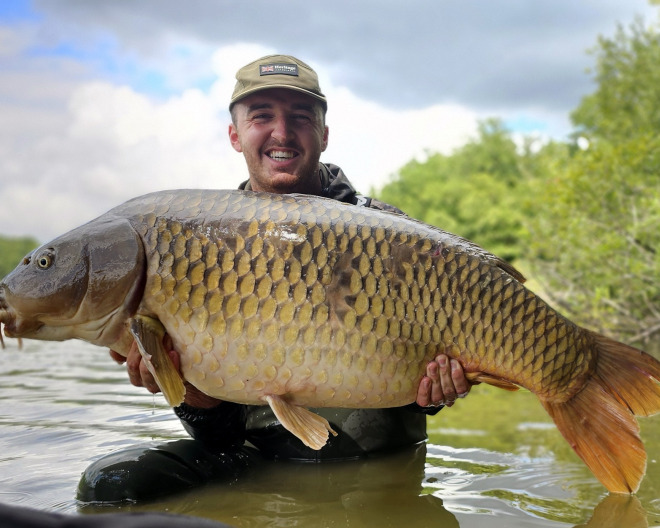
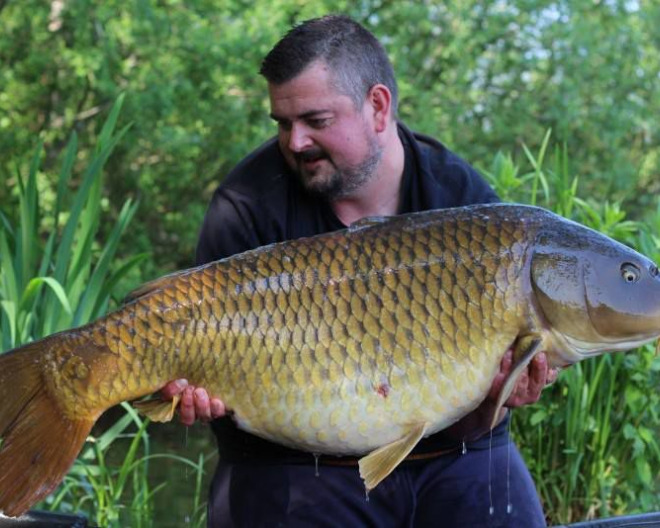
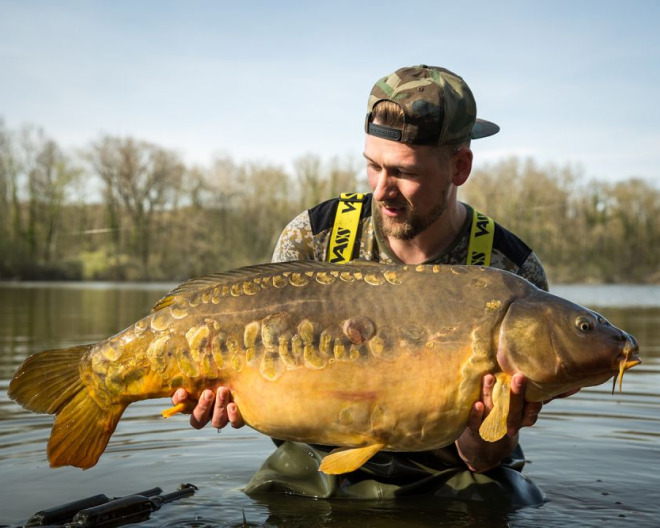
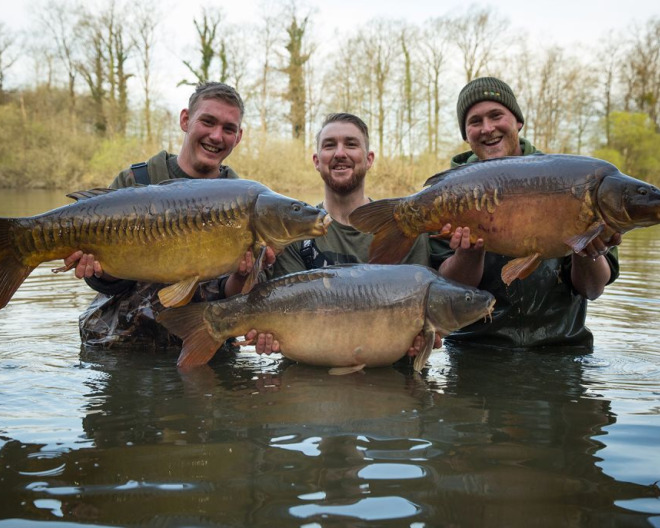
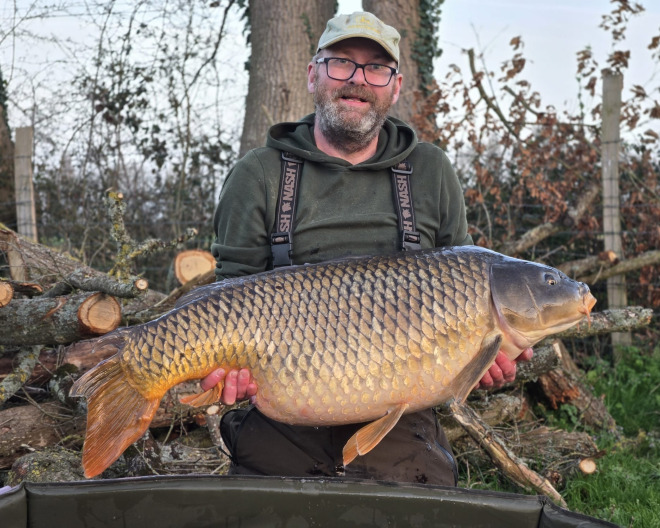
  • Details of the fish you caught & their sizes (in pounds, lb) and photos of the better specimens. If you really bag up with biggies don’t include photos every fish above 25lb in the article but definitely send them to us separately so we can add them to the venues fish gallery.

General

  • The journey. How long did it take to get there? Difficult, easy? Towns to avoid etc, etc
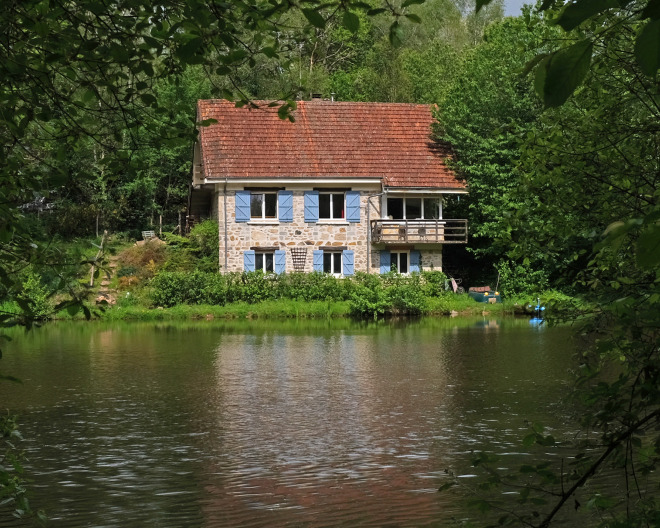
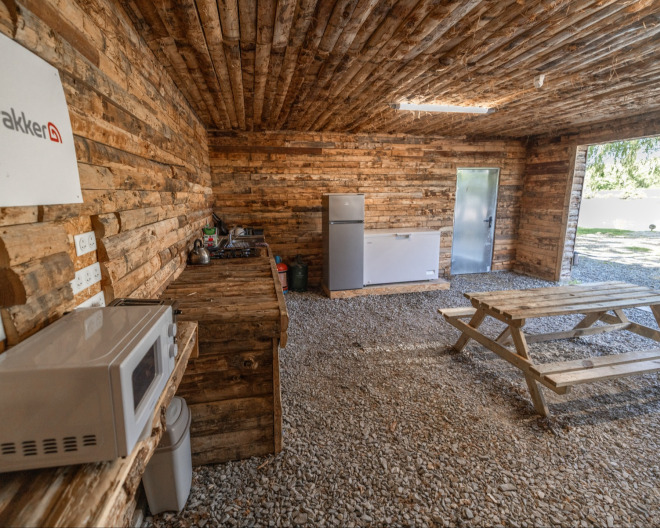
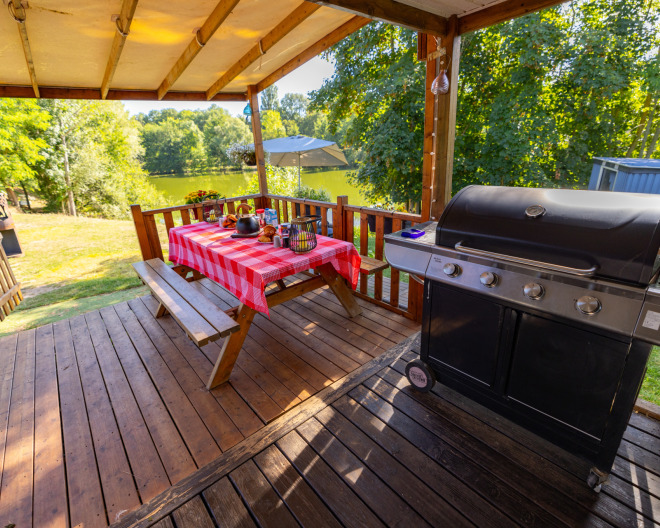
  • Your impressions of the venue & facilities. Boring though it seems, photos of showers & kitchen facilities help us sell holidays (assuming they are good of course!)
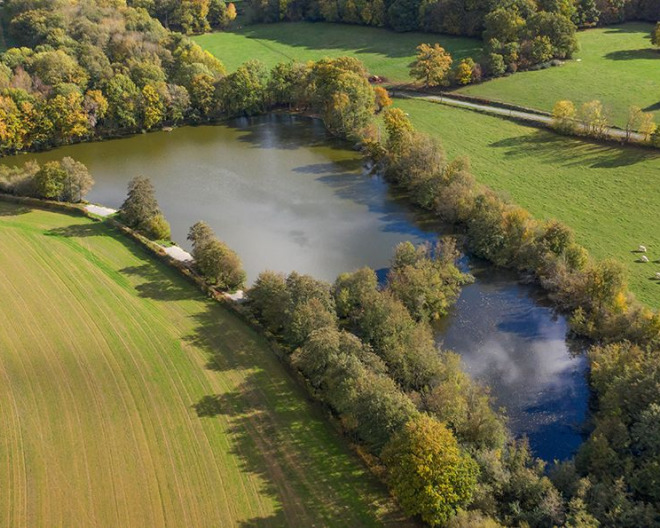
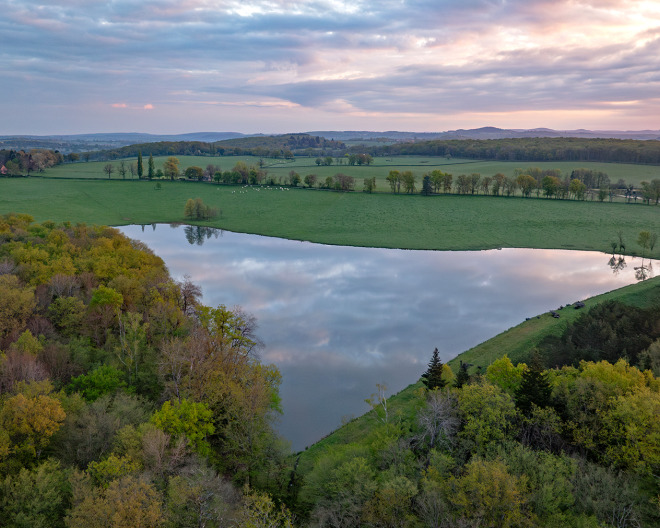
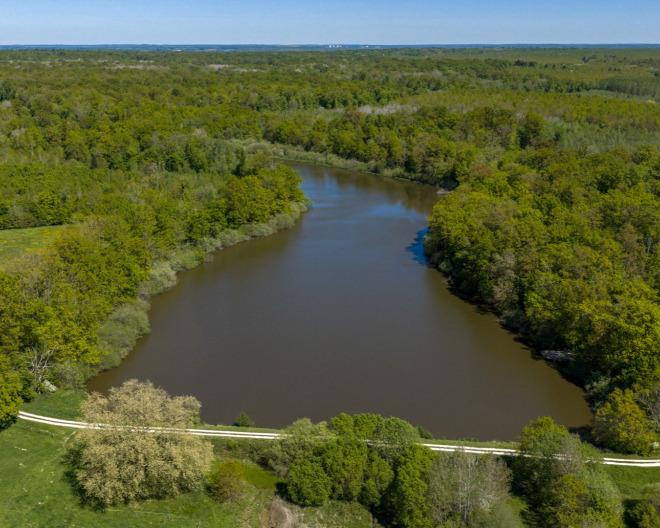
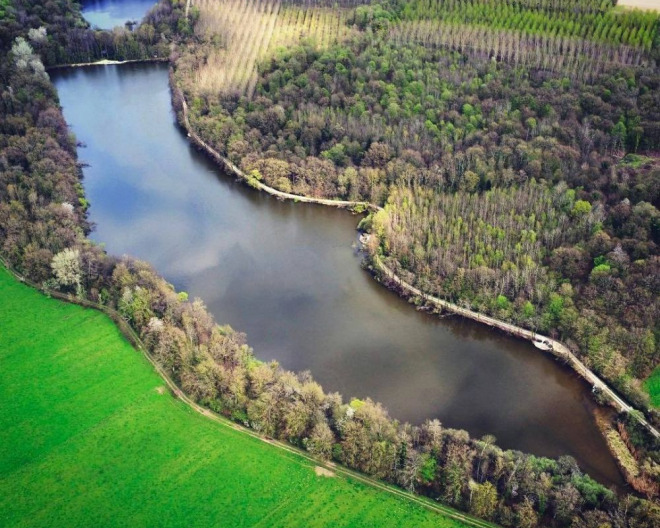
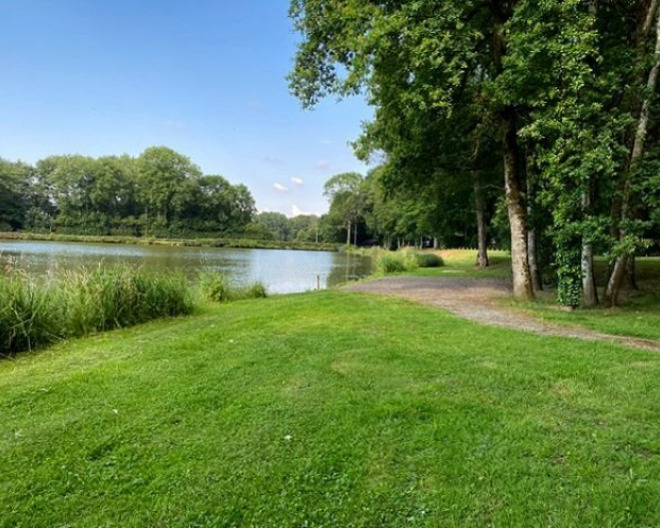
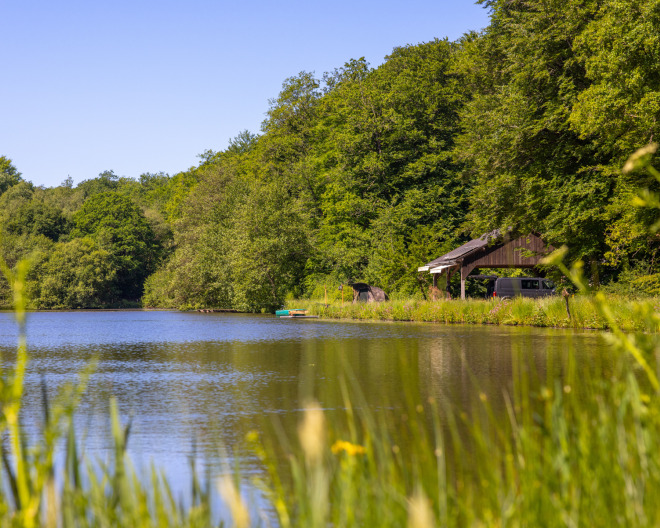
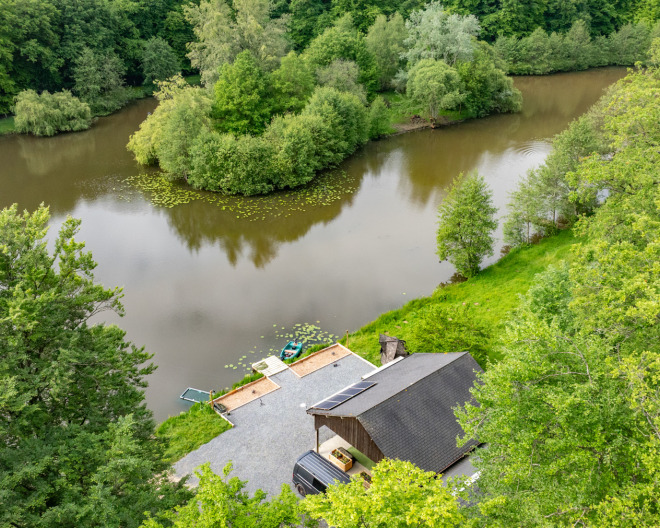
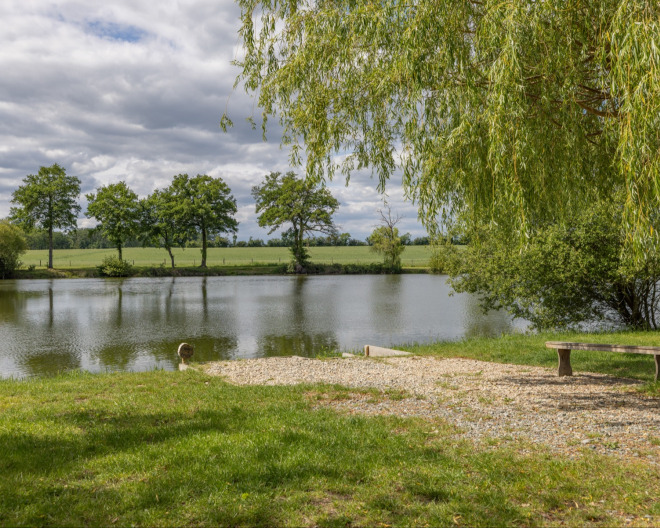
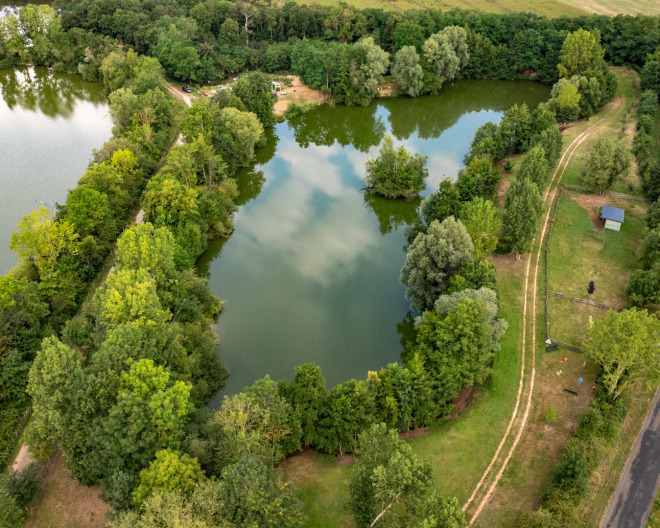
  • General scenic photo shots – nice sunsets, reflections on the water. Think of the Thompson & Intersun brochures you see – it’s always blue water, sunny days & happy smiling people they show. Silhouettes always look nice in a scenic shot. Pick your times for flat calm shots rather than a ripple unless trying to give indications of foul weather.
  • Mention the owners if you feel there are good things to say about them. A photo with the owner(s) is not out of place.
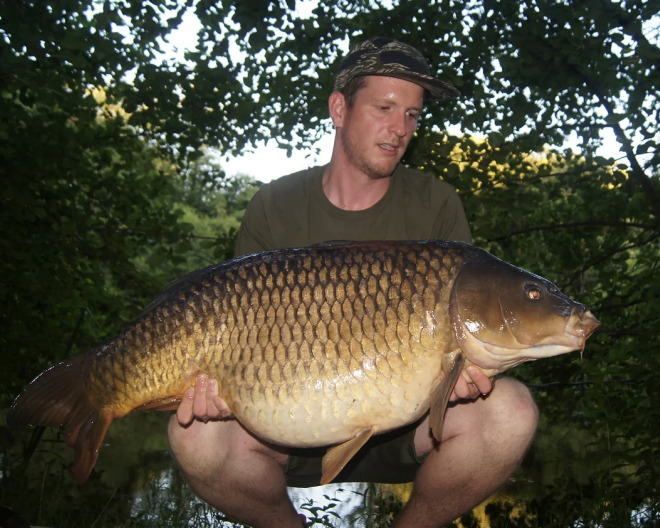
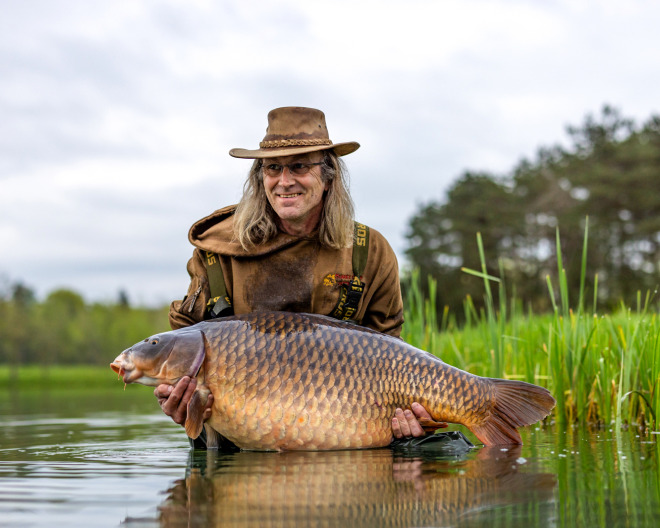
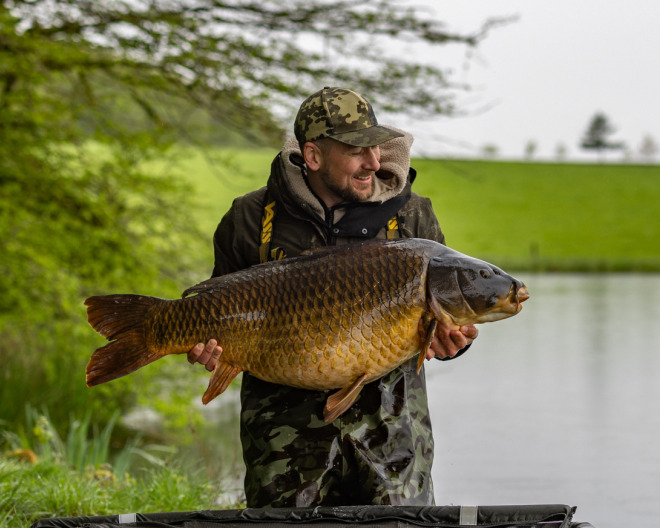
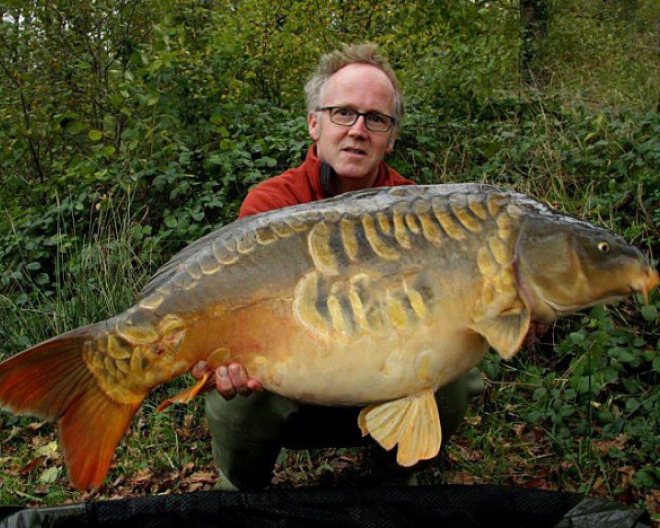
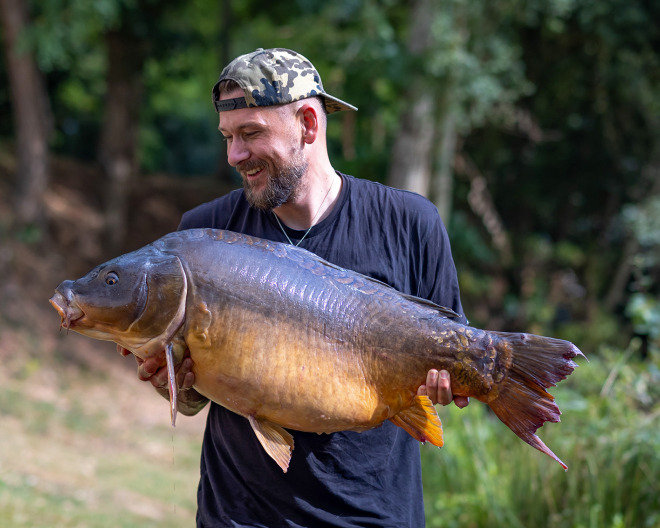
  • Keep snapping away with the camera taking unusual photos – they are often the ones that turn a good article into a great one. A good hook-hold photo indicates the fish aren’t hammered to death. Similarly close ups of non - damaged perfect mouths are always nice to see. Bait trickling out of the fish’s vent or remains of bait inside a sack (if sacking is allowed) all shows the fish are going to be up for a feed. In the days of digital photography you really can’t take too many pictures. The Editor of Carpworld, Martin Ford, shoots around 300 pictures when he shoots the shots to illustrate one of Shaun Harrison’s bait features in Carpworld - & that’s in about 4 hours! Many, many shots are scrapped… but it costs no-one anything. Once in a while a real classic shot is achieved, be it a facial expression whilst playing a fish or spectacular netting shot. Use your imagination - there are loads of possibilities.
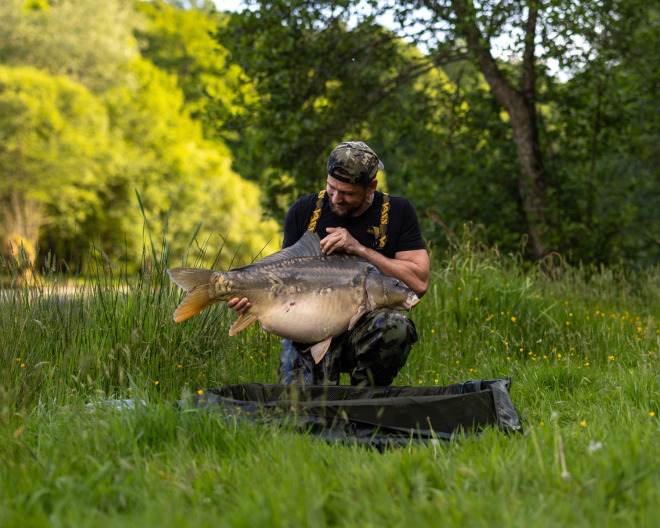
  • Take notice of what is behind you when taking trophy shots. A rod propped up on a bivvy and rubbish bags scattered around look shabby. Take advantage of any nice backgrounds – be it flowers or whatever.
  • If on a family type venue get one of the kids in the photo with you – make it look a family affair.
  • Try to finish off with a conclusion which rounds the trip, and your overall impressions, into one easy to read paragraph.

We’re very grateful to you for taking the time to produce an article, we really are. Any questions don’t hesitate to call.

Many thanks!

Regards,
David Keep


Join our mailing list to receive our Newsletter keeping you up to date with catch reports,
new venues & special offers... Click here to join NOW


Tel: (08712) 004466 Fax: (01246) 857037
Email: support@anglinglines.com


All Contents Copyright © 2005 Angling Lines.